
Full buyer-focused review below.
Product overview
What AI Prompt Engineering Mastery with PLR is
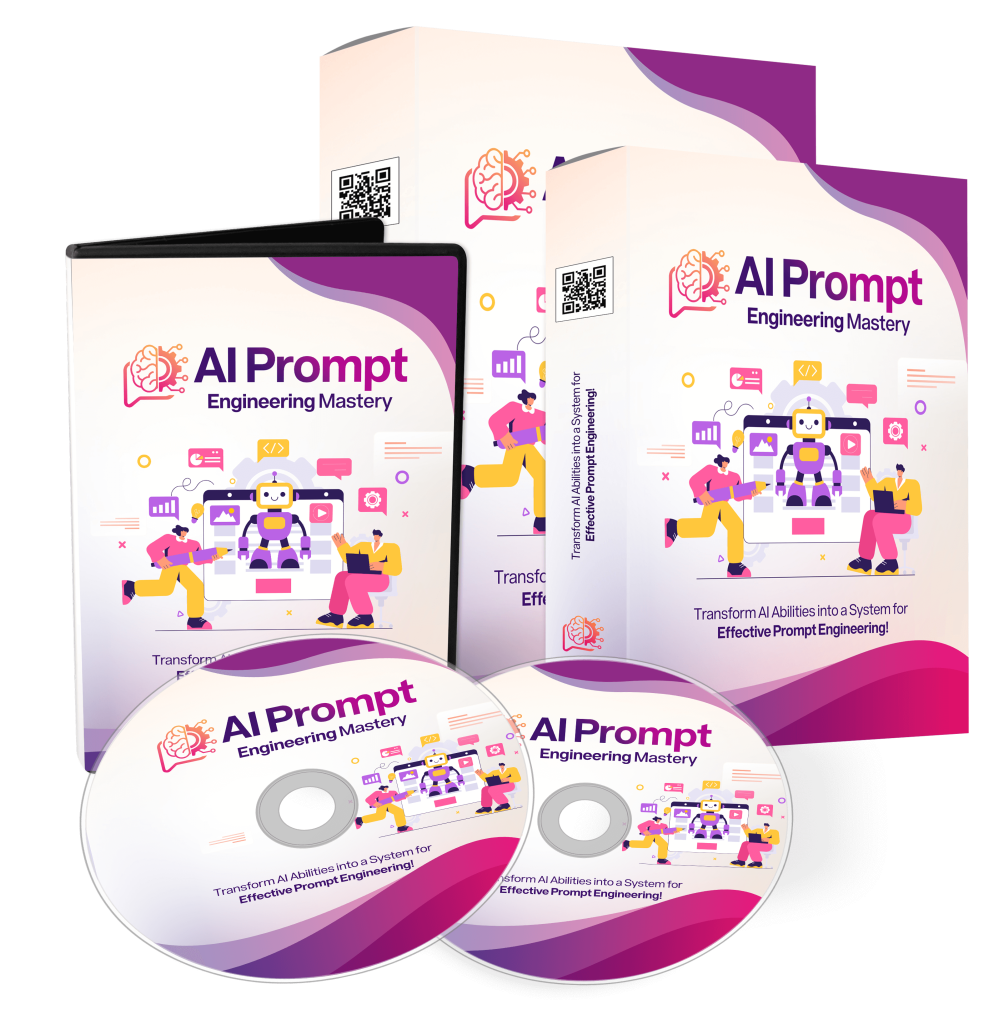
AI Prompt Engineering Mastery with PLR is a ready-to-launch, fully brandable course package that teaches prompt engineering — the skill behind ChatGPT, Claude, Gemini, and other AI systems. You get full private label rights, which means you can rebrand, edit, and sell the content as your own. The package targets beginners and intermediate users who want practical, monetizable skills for creating high-impact prompts, automating workflows, and building AI-powered products without needing coding experience.
Who this product suits
You should consider this product if you:
- Want a fast way to position yourself as an AI expert.
- Are a freelancer, marketer, creator, coach, or consultant looking for a sellable digital product.
- Need done-for-you marketing materials and launch assets.
- Prefer to avoid building course content from scratch.
- Want multiple monetization options: courses, eBooks, memberships, agency services, lead magnets.
What’s included (quick breakdown)
| Asset | Quantity / Format | Purpose / How you can use it |
|---|---|---|
| HD Video Training Series | 5 videos | Core course content for students; upload to LMS, YouTube (private), or hosting |
| Professional Training Guide | 172 pages (~19,500 words) | Downloadable eBook or PDF course manual; use as main curriculum or lead magnet |
| Audio Files | 5 MP3s | Add to course as audio lessons or publish as podcast-style bonus |
| Raw Video Scripts / Source Files | 5 editable files | Customize voice, brand, or repurpose into blog posts and short-form content |
| Presentation Slide Decks (PPT) | 5 decks | Use for webinars, live workshops, or slide-based courses |
| High-Converting Sales Copy & Sales Video | Copy + video | Plug-and-play product page, VSL, or ad creative |
| Graphics & Animated Banners | PSD/PNG files | Brand pages, social media posts, and ad creatives |
| Email Swipe Library | Multiple templates | Automated launch sequences, follow-ups, and lead nurturing |
| Minisites & Legal Pages | Ready-made templates | Quick online store setup and compliance pages |
| Bonuses | Cheat Sheet, Mind Map, Resources Report | Added value for buyers or lead magnets |
Detailed content review
Video training series
The 5-part HD video series is the classroom backbone. Each video breaks a complex part of prompt engineering into step-by-step lessons. You’ll notice the pacing aims at beginners: fundamentals, patterns of outputs, basic and advanced structures, then automation. The production quality looks professional, which reduces your time re-editing and increases perceived value.
What you can do:
- Host the videos on a course platform (Teachable, Kajabi, Thinkific).
- Use short clips as social teasers or ads.
- Convert transcripts into blog posts or LinkedIn articles.
Practical notes:
- Check length and file sizes to plan hosting cost.
- Review narration voice and accent to ensure it matches your brand style; raw scripts allow for easy re-recording.
172-page Professional Training Guide
At ~19,500 words, the guide is extensive and covers frameworks, examples, and monetization tactics. You’ll find practical prompt templates, troubleshooting tips, and real-world use cases. The guide is probably the most reusable asset — you can turn sections into an email course, eBook, or gated lead magnet.
What you can do:
- Rebrand and offer as a free download to capture leads.
- Split into mini-guides for email sequences.
- Use as lesson attachments in your course.
Practical notes:
- Proofread and tailor examples to your audience for better conversion.
- Consider adding localized examples or industry-specific prompts (marketing, coaching, eCommerce).
Audio files
Audio versions of the lessons let learners consume content on the go. They’re useful for subscribers who prefer listening or for repurposing as podcast episodes.
What you can do:
- Publish as members-only podcast episodes.
- Bundle audio with the guide for a premium version.
Raw video scripts and source files
These are powerful because they let you re-record in your voice, adjust brand language, or chop into microcontent. You can claim authorship because the files are editable and permitted under PLR.
What you can do:
- Reuse scripts to produce short-form videos for reels and shorts.
- Translate and localize if you target non-English audiences (be sure to translate fully to English if repurposed for English markets).
Slide decks
The slide decks are ready for live sessions and webinars. Slides simplify teaching, allow notes and additional resources, and work well for lead-generating webinars.
What you can do:
- Host free webinars to convert leads.
- Use slides for paid live workshops or coaching sessions.
Sales copy and customer sales video
High-converting copy and a sales video reduce testing time and ad spend. The included copy likely follows proven frameworks — pain-agitate-solution, social proof, features-to-benefits, and clear CTA.
What you can do:
- Use copy as a baseline, then split-test headlines and order bumps.
- Edit the video to feature your brand and testimonials.
Graphics, banners, and social media assets
Editable PSD and PNG graphics let you maintain consistent visual branding across platforms. Professionally designed assets improve trust and perceived value.
What you can do:
- Create ad creatives quickly.
- Use banners on sales pages and inside emails.
Email swipe library and minisites
Email swipe files speed up launches. Minisites and legal pages reduce friction for entrepreneurs who don’t want to build a site from scratch.
What you can do:
- Import emails into your autoresponder and personalize.
- Launch a product page in a day using provided minisite templates.
Bonuses: Cheat sheet, mind map, resources report
These extras add perceived value and can be used for upsells, order bumps, or increased cart conversions.
What you can do:
- Offer the cheat sheet as a “quick start” downloadable.
- Use the resources report as affiliate linking opportunities.
Hands-on usability and customization
Rebranding and editing
Because you get raw files, you can change voice, examples, and branding to match your audience. The PLR nature means you can legally put your name on the product and claim authorship.
Practical checklist:
- Replace logos and color schemes in PSDs and PPTs.
- Re-record any video or audio segments if you want your voice.
- Update examples to be niche-specific (e.g., real estate, coaches, copywriters).
Technical workflow
You’ll need a few technical steps to launch:
- Host the videos: choose a platform considering bandwidth and access control.
- Upload the PDF guide: attach to lessons or deliver via email autoresponder.
- Configure payment and delivery: use Stripe, PayPal, Gumroad, or your LMS.
- Set up email automation: implement the provided swipe files with your autoresponder.
Time to launch estimate
If you rebrand and use assets as-is: 1–3 days to get a sales page and checkout live.
If you re-record audio, update examples, and tweak sales copy: 3–10 days depending on scope.
Monetization strategies (practical ideas)
Sell as a stand-alone course
Price range suggestions:
- Self-paced course: $27–$197 depending on included support and bonuses.
- Premium version with coaching: $297–$997.
You should test multiple price points with limited launches and coupon offers.
Convert guide into an eBook
Package the 172-page guide as a standalone eBook. Offer to your list as a low-cost front-end product or bundle with the videos for a premium bundle.
Use as a lead magnet and upsell funnel
Offer the cheat sheet or a mini-chapter in exchange for email, then run an automated webinar or sequence to upsell the full PLR course.
Create a membership or subscription
Use the course as anchor content within a paid membership. Add monthly Q&A calls, prompt templates, and new prompt packs as ongoing value to justify recurring billing.
Offer prompt engineering services
You can use the course as credibility-building material while selling prompt-writing services and automation builds to businesses.
Licensing and B2B
License the training to teams and agencies that need staff upskilling. Offer group training packages or white-label the course for corporations (note: clarify PLR terms if reselling to businesses).
Bundle strategies
Bundle the PLR course with complementary tools (prompt libraries, software discounts, AI templates) to increase perceived value and price point.
Pricing and value judgment
At a listed price of $9.95, the package is extremely low-cost for the quantity and quality of assets included. For you, this price represents an asymmetric opportunity: an inexpensive upfront investment with multiple monetization options.
Example ROI scenarios:
- Scenario A — low-touch: Sell 50 copies at $27 = $1,350 (after platform fees, still far above $9.95 cost)
- Scenario B — premium funnel: Create a $197 course, convert 10 buyers = $1,970
- Scenario C — membership: 20 members at $29/month = $580/month after initial launch
These are simplified examples; your actual results depend on traffic, positioning, and execution.
Pros and cons
Pros
- Fast time-to-market: download, rebrand, and sell.
- High perceived value: professional videos, long-form guide, and polished graphics.
- Multiple monetization paths.
- No technical skill required to teach the core content.
- PLR rights give you full control and ownership for reselling.
Cons
- You’ll need to personalize examples and voice to match your brand.
- Low price point for customers may reduce perceived value unless packaged strategically.
- Potential overlap with free AI prompt resources; success depends on marketing and differentiation.
- Quality can vary between PLR packages — review every asset for accuracy and up-to-dateness.
Comparison: PLR vs building your own course
| Factor | Buying this PLR | Building from scratch |
|---|---|---|
| Time to launch | Hours–days | Weeks–months |
| Cost to create | Low one-time cost ($9.95 listed) | Higher costs for production, scripting, and design |
| Brand uniqueness | Moderate — requires rebranding | High — fully unique content |
| Customization effort | Moderate — raw files provided | High — all created by you |
| Speed to revenue | Fast | Slower, but possibly higher margins long-term |
If your priority is speed and quick revenue, this PLR has a clear edge. If you aim for a unique flagship course and have time and resources, building original content can pay off in authority and long-term brand value.
Legal and license considerations
Private Label Rights (PLR) basics
PLR typically allows you to edit, rebrand, and sell content as your own. However:
- Check whether resale as PLR is allowed or if end-customers must receive non-PLR copies.
- Confirm limits on passing on PLR rights (some PLR sells allow only single-level resale).
- Ensure trademarked content and images are licensed for redistribution.
What you should do:
- Read the license PDF included with the purchase.
- Replace any generic names, logos, or images that might carry licensing restrictions.
- Add your own terms of service and privacy policy to the minisite files.
Practical launch plan (expanded 4-step approach)
Step 1 — Download and audit (Day 1)
- Download all files and run a quick quality check.
- Open the guide, videos, and scripts. Note any obvious typos, outdated references, or platform-specific suggestions.
- Create a short punch list of edits and brand updates.
Step 2 — Rebrand and personalize (Days 1–3)
- Replace logos and color palettes in PSDs and slides.
- Edit sales copy for your voice, niche, and customer pain points.
- Re-record a short welcome video in your voice and swap it into the sales page or course.
Step 3 — Upload and configure (Days 2–4)
- Host videos and upload course files to your LMS.
- Import email sequences and set up autoresponders.
- Configure payment processing and test the checkout flow.
Step 4 — Promote and optimize (Ongoing)
- Run small paid tests on Facebook, LinkedIn, or Google to validate ad messaging.
- Use organic channels: LinkedIn posts, email list, partnerships with creators.
- Collect feedback and iterate: update scripts, add new examples, and provide live Q&A sessions.
Marketing copy ideas and hooks
You should focus your messaging on the outcomes and speed of transformation. Examples of angles:
- “Learn to command AI like a pro — no coding, real results in hours.”
- “Turn conversations into cash: how to create sellable AI products.”
- “From prompts to profits: practical systems for busy freelancers.”
Headline examples for sales pages:
- “AI Prompt Engineering Mastery — A Complete, Brandable Course You Can Sell Today”
- “Master Prompt Crafting and Monetize AI Without Writing Code”
Email subject lines:
- “Want to sell an AI course within 24 hours?”
- “Turn AI prompts into income — here’s how”
- “Your ready-made AI course is waiting”
Ad copy snippets:
- “Ready-to-sell AI training: brand it, market it, earn 100% of profits.”
- “High-value PLR for AI — includes video lessons, guidebook, graphics, and sales assets.”
FAQs you should be prepared to answer
Q: Can I rebrand and sell this product under my name?
A: Yes — full private label rights allow rebranding, editing, and selling as your own. Confirm the included license for any resale constraints.
Q: Do I need technical skills to use this package?
A: No coding is required. Basic familiarity with course platforms and file editing (PPT, PSD) is helpful. Many platforms simplify uploads.
Q: Is content up to date with current AI models?
A: The fundamentals of prompt engineering are stable, but you should verify references to specific models or platform features and update them as needed.
Q: Can I offer refunds or guarantees?
A: Yes — you control pricing and policies. Include clear terms on the minisite and use the legal pages as templates.
Q: Are there recommendations for pricing?
A: Typical price ranges depend on packaging. Low-ticket: $27–$67. Mid-ticket with support or bonuses: $97–$297. High-ticket with coaching or certification: $297+.
Practical tips to maximize conversions
- Personalize examples to your niche. Buyers convert when they see themselves in the content.
- Use scarcity and urgency sparingly: timed discounts or bonuses for early buyers work well if genuine.
- Bundle with a live Q&A session or monthly prompt packs to justify higher price tiers.
- Show proof: even simulated case studies or walkthroughs showing prompt-to-output results will educate and convert.
- Create sample lessons. Give the first video or first chapter for free to demonstrate quality.
Common pitfalls and how to avoid them
Pitfall: Launching with generic copy and low differentiation.
Solution: Tailor headlines to a specific buyer persona (e.g., coaches, copywriters, agency owners).
Pitfall: Underpricing the product because the acquisition cost was low.
Solution: Package with exclusive bonuses, live support, or community access to raise perceived value.
Pitfall: Not verifying accuracy.
Solution: Validate prompt examples across multiple models and update any platform-specific commands.
Pitfall: Relying only on organic traffic.
Solution: Run a small paid test to validate messaging and scale what works.
Final recommendation
If you want a fast, low-cost route to owning a professionally designed AI training product, AI Prompt Engineering Mastery with PLR is a strong option. You’ll save weeks of production and get a complete toolkit for teaching, marketing, and selling prompt engineering skills. To get the most value, personalize the content to your niche, add a unique hook (like live coaching or recurring prompt packs), and test pricing strategies. For creators and entrepreneurs who value speed-to-market and multiple monetization paths, this PLR package is a practical and high-return asset — provided you invest a little time to brand and market it properly.